Sauna Hokuo Ueno: Tokyo's Late-Night Aufguss Sanctuary
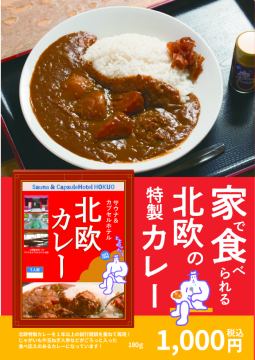
Step out of Ueno Station's Park Exit, walk a few minutes past the lively stalls of Ameyoko market, and you'll spot it — a modest sign that simply reads "Hokuo," tucked quietly into the corner of a building. First-time visitors might feel a flicker of doubt. This is the legendary spot? But the moment you step inside, that question vanishes for good.
The Real Thing, Unchanged Since the Showa Era
Sauna & Capsule Hotel Hokuo opened its doors in 1973. For over half a century, it has stood firm in the heart of Ueno, welcoming salarymen, travelers, and today, sauna enthusiasts who make the pilgrimage from all across Japan.
The modern sauna boom — built around the concept of totonou (a state of deep physical and mental relaxation achieved through alternating between sauna, cold bath, and rest) — has given rise to countless new facilities: sleek interiors, photogenic outdoor lounges, artisan wood-fired stoves. While those venues chase trends, Hokuo doesn't flinch. No gimmicks added, nothing essential stripped away — just pure, uncompromising fundamentals. The longer you keep coming back, the more you understand why that's exactly what keeps people returning.
The Sauna Room: Far-Infrared Heat That Reaches Deep Into Your Core
Hokuo's sauna uses a far-infrared electric heater — a classic dry sauna in the truest sense. The temperature is kept at a steady 90–95°C (194–203°F), and from the moment you enter, a dense, enveloping heat presses against your skin. The low humidity can feel intense for first-timers, but for seasoned sauna-goers, that dry, penetrating warmth is exactly what makes it feel like it's actually working.
A television in the corner plays the news, and the sight of bathers sitting in silence watching it is a scene straight out of old Japanese bathhouse culture. No smartphones, no curated playlists, no theatrical atmosphere. Just you and the sweat.
The Signature Aufguss: When the Heat Master Means Business
No description of Hokuo is complete without mentioning its regularly scheduled Aufguss sessions — a sauna ritual originating in Germany and Finland where water infused with aromatic essences is ladled over heated stones, and the steam is then fanned through the room with a towel, sending the perceived temperature soaring. Hokuo's Aufguss masters hold nothing back.
When a full-force wave of scorching steam crashes down from above, an involuntary grunt escapes your lips. You catch eyes with the person next to you and share a pained smile. That brief, unspoken bond is something unique to the Aufguss experience. In the seconds after the session ends — sprinting toward the cold bath, sweat pouring from every pore — you'll feel an exhilaration that no ordinary bath can replicate. Check the schedule in advance; you won't want to miss it.
The Cold Bath: "Ice Cold" Doesn't Even Begin to Cover It
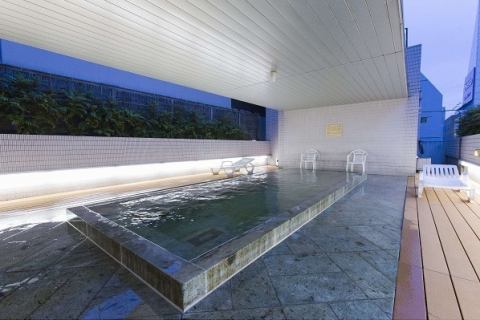
After the sauna, head straight for the cold bath — no hesitation required. Hokuo's cold bath holds steady at around 16–17°C (61–63°F), which is the real deal. The moment your shoulders sink below the surface, every pore snaps shut at once. Silence wraps around you. Within 20 to 30 seconds, a thin layer of warmer water forms against your skin — sauna enthusiasts call this the hagoromo, or "feathered robe" — and a strange, weightless calm takes over, as if your thoughts are floating just above your body.
The cold bath isn't large, but late-night hours tend to be quieter, making it easier to sink in slowly and have the space entirely to yourself.
The Rest Area: Where Totonou Happens
After the cold bath, the rest area awaits — lined with infinity chairs and deck loungers. There's no outdoor space, but the air-conditioned room is more than enough. Lie back, close your eyes, and within moments the wave of totonou washes over you — that blissful, meditative state that sauna culture in Japan has elevated to an art form. You feel your heartbeat slowing in your ears, your mind drifting somewhere quiet and weightless. This is why the regulars keep coming back to Ueno, night after night.
Open 24 Hours: Hokuo's Greatest Advantage
One of the biggest reasons Hokuo commands such fierce loyalty among Tokyo's 30- and 40-something sauna crowd is simple: it never closes (front desk is staffed around the clock). Missed the last train after work? Skipped the after-party to come straight here? Just craving some late-night solitude? Hokuo fits every scenario.
After midnight, the baths quiet down considerably — it's not unusual to have the sauna room almost entirely to yourself. Methodically working through three rounds in near-total silence, the experience edges into something close to meditation. Among regulars, "sweating out the week at Hokuo" has become a quiet ritual — and once you've done it, you'll completely understand why.
Rates, Access & Essential Info
- Rates: Multiple plans available including late-night packages and overnight stays. Please check the official website or inquire at the front desk for current pricing.
- Hours: Open 24 hours
- Access: Approx. 3-minute walk from JR Ueno Station (Park Exit) / Approx. 5-minute walk from Ueno Station on the Tokyo Metro Ginza and Hibiya Lines
- Note: Men-only facility
What Keeps You Coming Back
Every visit to Hokuo leaves you with the same quiet feeling. There's nothing flashy about it — and yet, you always want to return. The reason, I've come to believe, is trust. The sauna is always the same temperature. The cold bath is always the same bracing cold. The staff say little, but they do exactly what needs to be done.
While many newcomers to the sauna world sell an "experience," what Hokuo has been selling for over fifty years is something far more ordinary — and far more valuable: a place for everyday life. You don't need a special occasion. In fact, it's best on an unremarkable evening, when you just wander in without a plan. That, in the simplest terms, is why Hokuo in Ueno has earned the title of sacred ground.
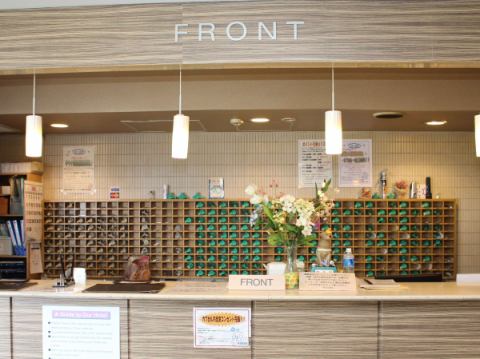
If work runs long tonight and you miss the last train — just go to Hokuo. That's all you need.
```


コメント
コメントを投稿