Spa LaQua Tokyo: Rooftop Sauna & Hot Spring Guide

Spa LaQua Tokyo: Rooftop Sauna & Natural Hot Spring in the Heart of the City
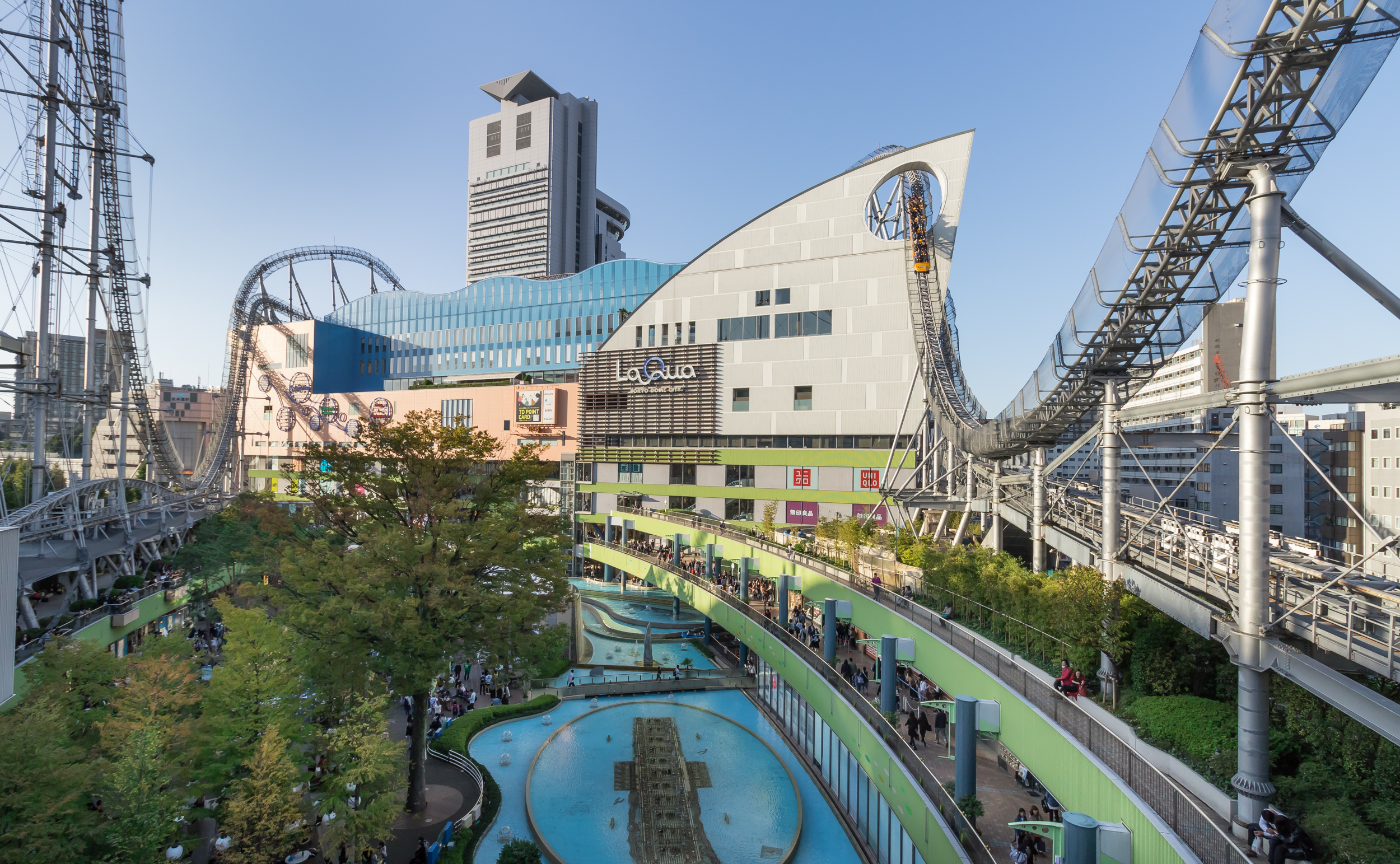
Imagine stepping off the train in central Tokyo, surrounded by the city's relentless energy, and within minutes finding yourself soaking in a natural hot spring drawn from 1,700 meters beneath the earth. That's the quiet magic of Spa LaQua — a multi-floor urban wellness retreat tucked inside the gleaming Tokyo Dome City complex in Korakuen. For international visitors who assume a proper Japanese bathing experience requires a bullet train to the countryside, Spa LaQua is a revelation. World-class thermal bathing, multiple saunas, an open-air bath with a roller coaster view, and the kind of meditative stillness you didn't expect to find in Bunkyo — all of it is waiting for you here.
History & Background
Spa LaQua opened in 2003 as the centrepiece of the redeveloped Tokyo Dome City entertainment district, a sprawling urban resort that also houses an amusement park, a concert hall, a shopping mall, and of course the iconic Tokyo Dome baseball stadium. The name blends "spa" with the Latin aqua, signalling from the start that water is the hero of this place.
What truly sets Spa LaQua apart from the typical urban day spa is what lies beneath its foundations. The facility draws genuine natural hot spring water (onsen) from deep underground — a sodium chloride and bicarbonate spring that locals and regulars credit with leaving skin silky and muscles noticeably loose. In a city where most "onsen" are simulated with mineral additives, the real thing feels like a minor miracle. Over the past two decades, Spa LaQua has become a trusted institution for Tokyo residents looking to decompress after long work weeks, and it has grown equally popular with international travellers who want an authentic bathing culture experience without leaving the city centre.
The Sauna Experience
The Saunas
Spa LaQua offers several distinct sauna rooms, giving you the freedom to curate your own heat journey. The main Finnish-style dry sauna cranks the temperature to around 90°C, its wooden interior quietly radiating an enveloping, bone-deep warmth. The room is spacious enough that you can breathe without feeling crowded — a rarity on a busy weekend in Tokyo. Löyly-style steam is available at intervals, sending a wave of humid heat rolling across the benches and momentarily silencing every thought in your head.
For those who prefer a gentler entry into the heat, the mist sauna offers a lower-temperature, high-humidity environment that feels closer to an Indonesian steam room than a Nordic sauna. It's kinder to the lungs and an excellent choice if this is your first sauna experience. The aromas are subtle but present — eucalyptus and mineral steam drifting through the room in soft pulses.
Cold Plunge & Water Features
The transition from heat to cold is where sauna culture reveals its deepest pleasures, and Spa LaQua does not disappoint. The cold-water pool is bracing without being punishing, hovering at a temperature that makes your skin sing and sends a clean electric clarity through your entire nervous system. First-timers often laugh or gasp involuntarily upon entry — this is completely normal, and the feeling that follows is worth every second of discomfort. Try three alternating rounds of sauna and cold plunge, and you'll understand why regulars call this practice totonou: a state of profound, floating relaxation that no meditation app has yet replicated.
The Open-Air Bath & Rest Areas
Among all the highlights, the rooftop open-air bath (rotenburo) is the one that earns gasps from first-time visitors. Perched on an upper floor of the building, the outdoor pool offers a surreal juxtaposition: you float in steaming natural hot spring water while the lights of central Tokyo glow around you, and the looping steel tracks of the Thunder Dolphin roller coaster arc dramatically overhead. It is, without question, one of the most visually striking bathing experiences in the entire city.
After your rounds of heat and cold, the rest area provides reclining chairs and dim lighting designed specifically for post-sauna recovery. Let your heart rate settle, your body temperature equalise, and allow the totonou state to wash over you fully. Many guests end up napping here longer than they planned.
Practical Information
Getting There
Spa LaQua is exceptionally easy to reach by public transport, which is itself a selling point in a city where the best onsens often require significant travel.
- Nearest stations: Korakuen Station (Tokyo Metro Marunouchi Line / Namboku Line) or Suidobashi Station (JR Chuo-Sobu Line / Toei Mita Line) — both are a short walk from the facility.
- Address: 1-1-1 Kasuga, Bunkyo-ku, Tokyo (within Tokyo Dome City)
Opening Hours
Spa LaQua is generally open daily from 11:00 AM to 9:00 AM the following morning (effectively 22 hours), making it one of the rare facilities where you can recover from a late night out or an early morning jet-lag spiral. Hours can vary on certain holidays, so checking the official website before your visit is recommended.
Pricing
Entry fees are tiered depending on the time of day and whether you visit on a weekday or weekend. As a general guide, expect to pay approximately ¥2,900–¥3,000 for adults on weekdays, with slightly higher rates on weekends and holidays. A late-night surcharge applies for those entering after a certain hour. Rental towels and yukata (light cotton robes for the relaxation floors) can be hired separately or are included in some ticket packages — confirm at the front desk. Compared to what a similar experience would cost in London, New York, or Sydney, the value is remarkable.
Tips for First-Timers
Etiquette Essentials
Japanese bathing culture carries a handful of important customs that, once understood, make the experience far more enjoyable for everyone in the room.
- Shower before entering any pool or bath. This is non-negotiable. Rinse thoroughly at the washing stations provided before stepping into any shared water.
- No swimwear in the bathing areas. The bathing zones are gender-separated and clothing-free. The upper relaxation floors, however, are co-ed and require the facility-provided yukata or loungewear.
- Keep your towel out of the water. In the saunas, place your small towel on the bench to sit on. Do not dip it into the pools.
- Speak softly. The atmosphere is meditative. Loud conversation disrupts the calm that everyone has come to find.
What to Bring
Very little. Spa LaQua is fully equipped with shampoo, conditioner, and body wash at the washing stations. Bring your own skincare products if you're particular, and perhaps a change of clothes for after. Lockers are available for all belongings.
Managing the Heat
If you're new to saunas, start with shorter sessions — five to eight minutes in the heat is plenty for your first round. Hydrate between rounds at the water stations provided throughout the facility. There is no pressure to perform; sauna culture is entirely self-paced, and listening to your body is both culturally appropriate and physically wise.
Find Your Stillness in the Middle of Tokyo
Tokyo moves fast. It is a city that rewards urgency, curiosity, and relentless forward motion — and then, quietly, it asks you to stop. Spa LaQua is one of the finest answers to that request. Whether you have three hours between meetings or an entire rainy afternoon to fill, stepping through its doors feels like switching off a frequency you didn't realise had been buzzing in your ears all day. The natural hot spring, the Finnish heat, the cold plunge, the roller coaster gliding past against a lit-up night sky — there is nowhere else in the world quite like it.
Book nothing in advance. Just show up, shower off the city, and let the water do its work.


コメント
コメントを投稿